Deploy Originations Data Storage in Azure Container
The Originations Data Storage microservice is provisioned for deployment in the Azure container.
Artifacts
Origination Data Storage Microservices for Azure deployment are available as a single release bundle. For example, ms-storage-package-azure-<release_number>.zip. It consists of the ms-storage-package-azure-<release_number>.jar file and installation-related files.
The install.sh/install.bat/install-postgresql.bat/install-postgresql.sh script is used to deploy the Origination Data Storage Microservices in the Standalone Mode.
The destroy.sh/destroy.bat/destroy-postgresql.sh/destroy-postgresql.bat script to undeploy and remove the Azure services created in the Azure environment.
Folder structure for the ms-storage-package-azure-<release_number>.zip

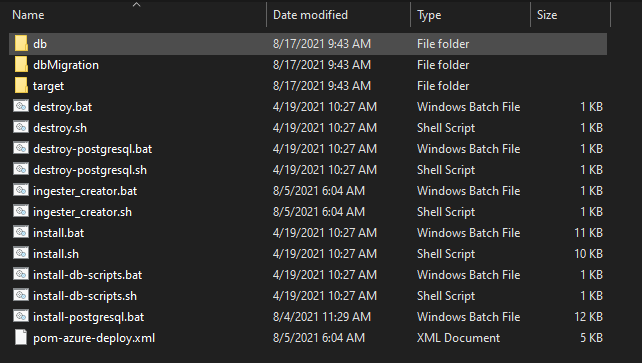
Pom-azure-deploy.xml file is getting used to deploy the azure function into the azure portal.
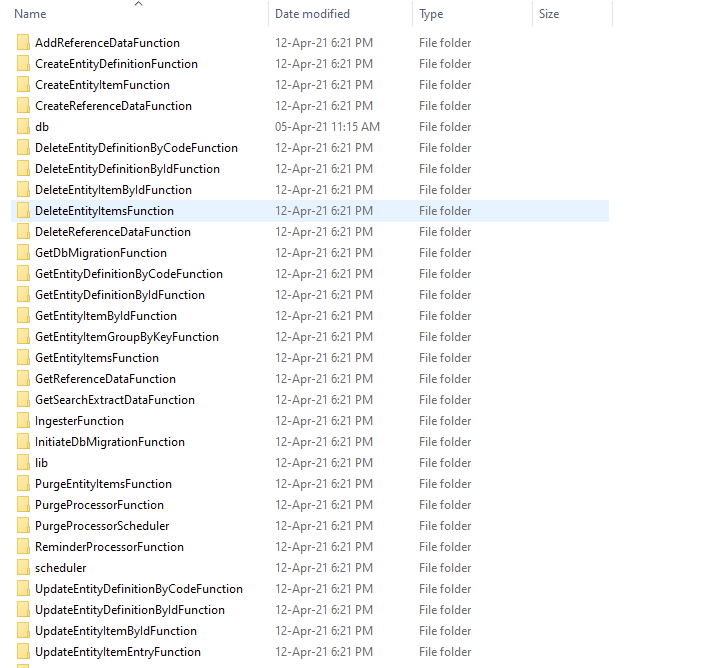
Deploy
MongoDB
AWS CLI, Maven, and Mongo shell should be installed prior to the deployment and an active connection string of Mongo Atlas cluster is required.
MONGODB_CONNECT_STR string should be obtained for Java driver version 3.4.
Download the Mongo shell from the Mongo Atlas under the tab "connect with mongo shell" by clicking the connect button.
MONGOSHELL_CONNECT_STR string should be obtained under the tab "connect with MongoDB Compass" by clicking the connect button.
To deploy the Originations Data Storage microservice:
- Obtain the generated zip file (from target folder) in the installation directory. Unzip it.
- In command prompt, navigate to the installation directory
- Modify the Resource Group, Location, MONGODB_CONNECT_STR, MONGOSHELL_CONNECT_STR etc., in the install.sh/install.bat script specific to the installation.
An example is shown below:
SET MONGODB_CONNECT_STR="mongodb://temenos:temenos@odms-shard-00-00.x5uam.mongodb.net:27017,odms-shard-00-01.x5uam.mongodb.net:27017, odms-shard-00-02.x5uam.mongodb.net:27017/ms_storage?ssl=true&replicaSet=atlas-xdsega-shard-0&authSource=admin&retryWrites=true&w=majority" SET MONGOSHELL_CONNECT_STR="mongodb+srv://temenos:temenos@odms.x5uam.mongodb.net" - Default mongo.js file(Master Data) will be inserted into the MongoDB through install.bat/.shfile. Follow the steps below to insert data other than master data:
- Pre-requisite data can be loaded into Mongo DB through install-db-scripts.bat/.sh script file.
- Data can be loaded only through script files(.js).
- All the files need to be placed under folder path “ms-storage-azure\target\azure-functions\<app folder>”.
-
Below are the parameters need to send while executing the bat file.
uri - need to provide Mongo string URL with username and password mentioned in the pre-requisite section
app_name - need to provide the app name which mentioned while deploying azure
scripts - need to provide the files names delimited by comma.
- Command to execute :
-
For .bat file :
install-db-scripts.bat --uri <uri> --app_name <app_name> --scripts "<filename1>,<filename2>" -
Example :
install-db-scripts.bat --uri --mongodb+srv://temenos:temenos@odms.x5uam.mongodb.net --app_name storageinfinityapp --scripts "mongo1.js,mongo2.js" -
For .sh file :
install-db-scripts.sh --uri <uri> --app_name <app_name> --scripts "<filename1>,<filename2>" -
Example :
install-db-scripts.sh --uri mongodb+srv://temenos:temenos@odms.x5uam.mongodb.net --app_name storageinfinityapp --scripts mongo1.js,mongo2.js -
The default Azure function app name in the script can be changed. In case of app name changes, the folder available (ms-storage-azure\target\azure-functions\<app folder>\) in the name of the app should also be renamed.
- To enable the in-house authentication in addition to the API key, perform the JWT Authentication in the installation scripts.
- Execute install.sh or install.bat.
- Once the deployment is completed, Azure functions are created.
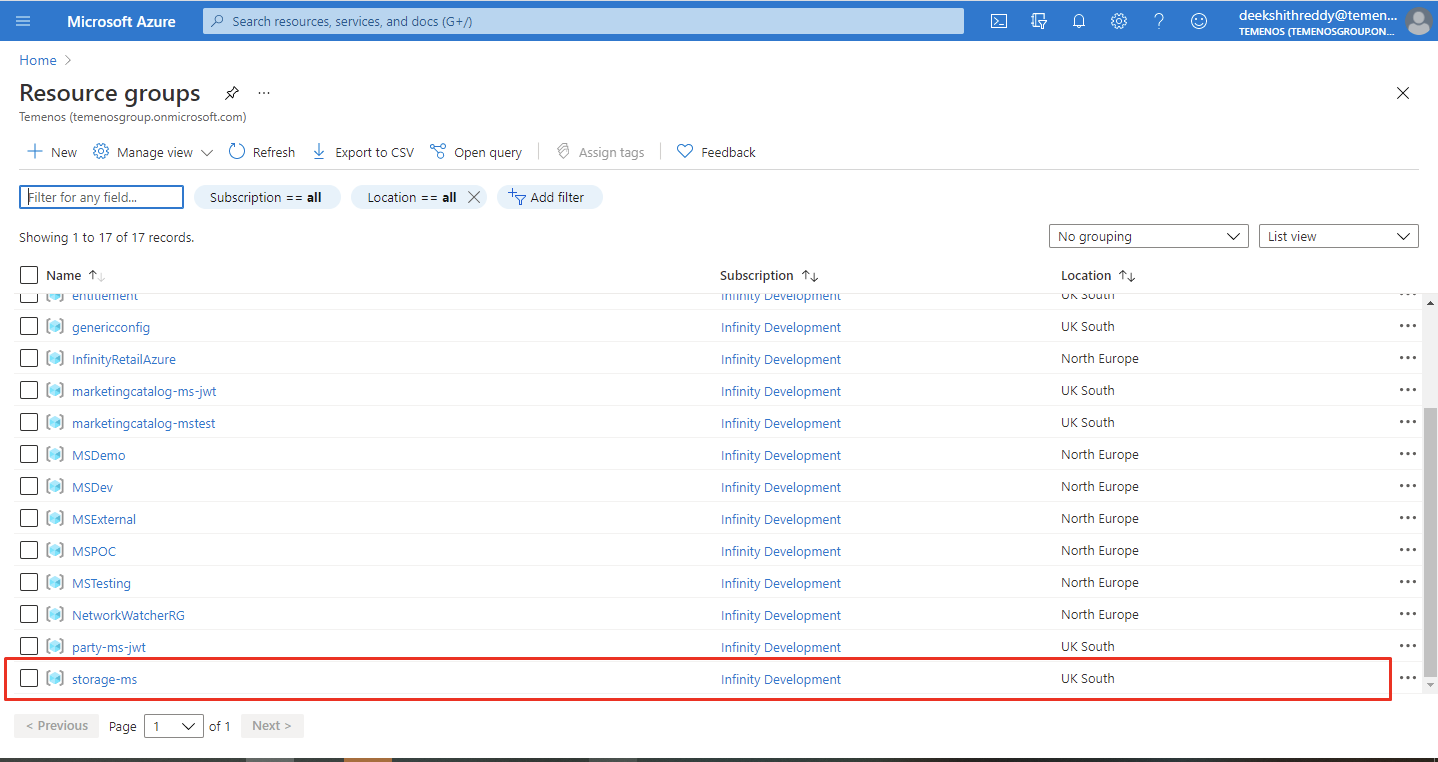
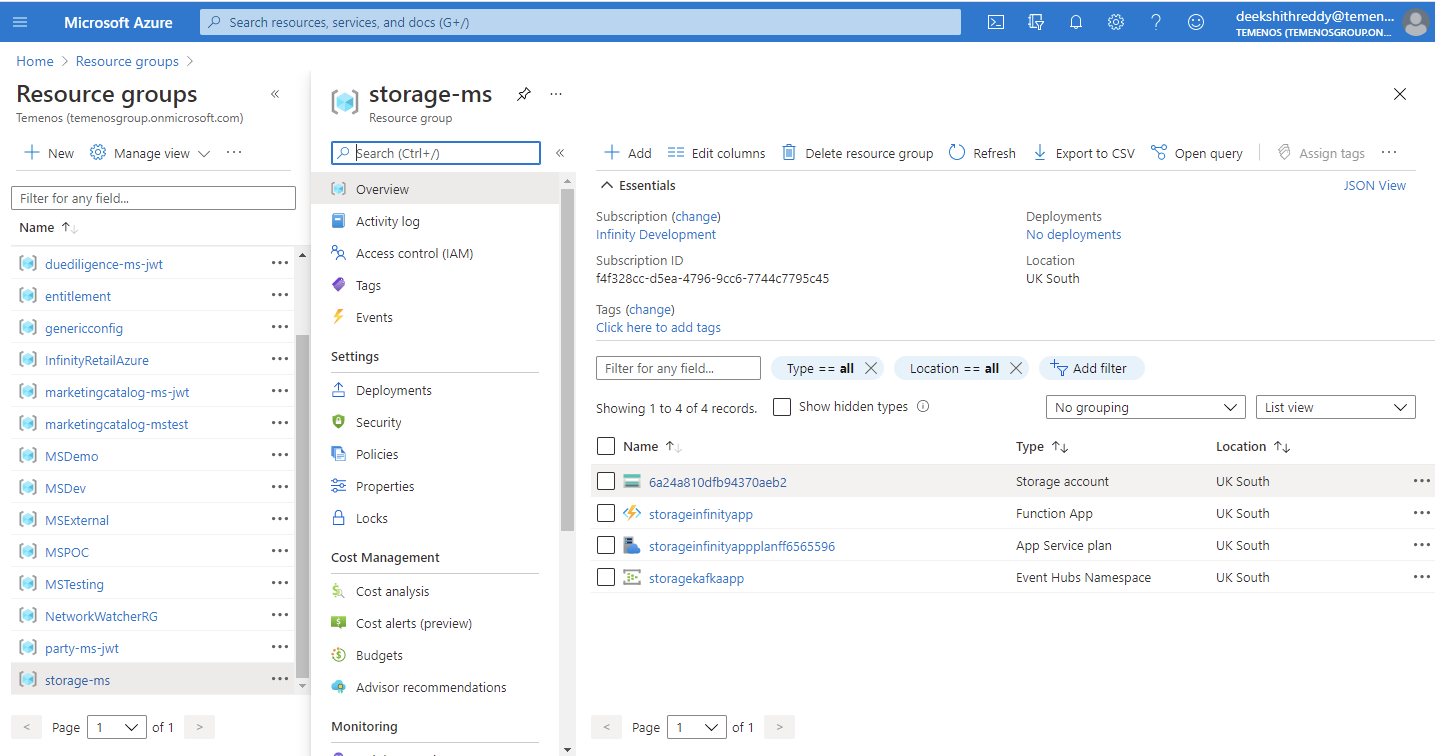
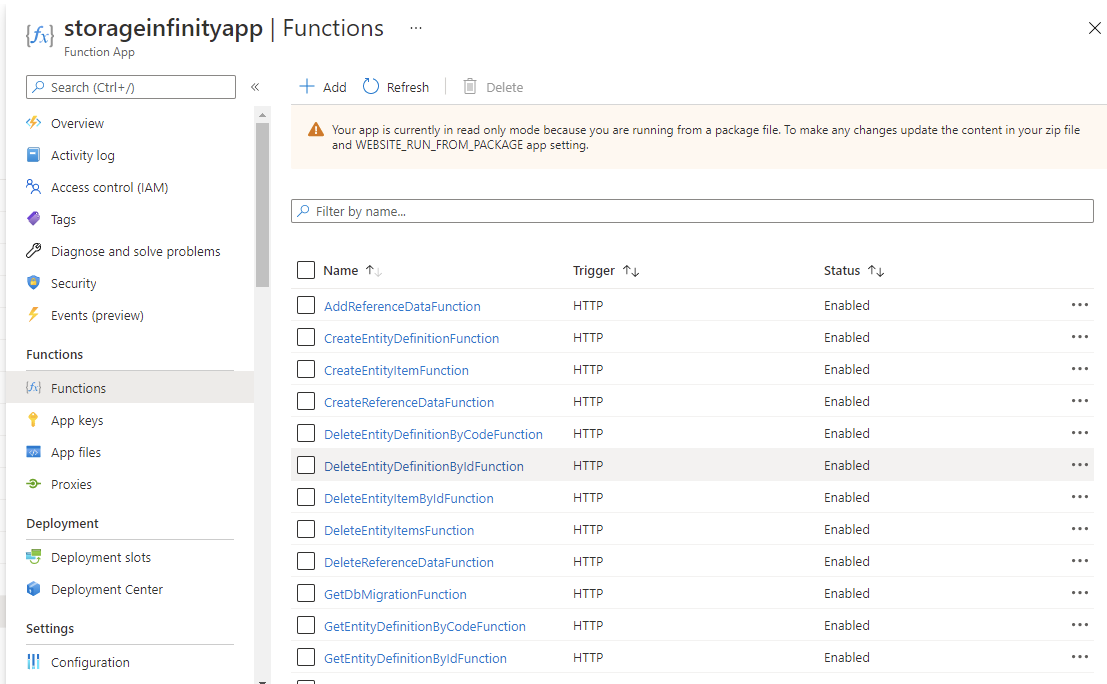
- Login in to the Azure portal and check whether the Resource Group and Function app is created:
- API key for each endpoint in the function app can be obtained using the following command:
func azure functionapp list-functions <function-app-name> --show-keysAlternatively, it can be obtained alternatively, from the Azure function GUI: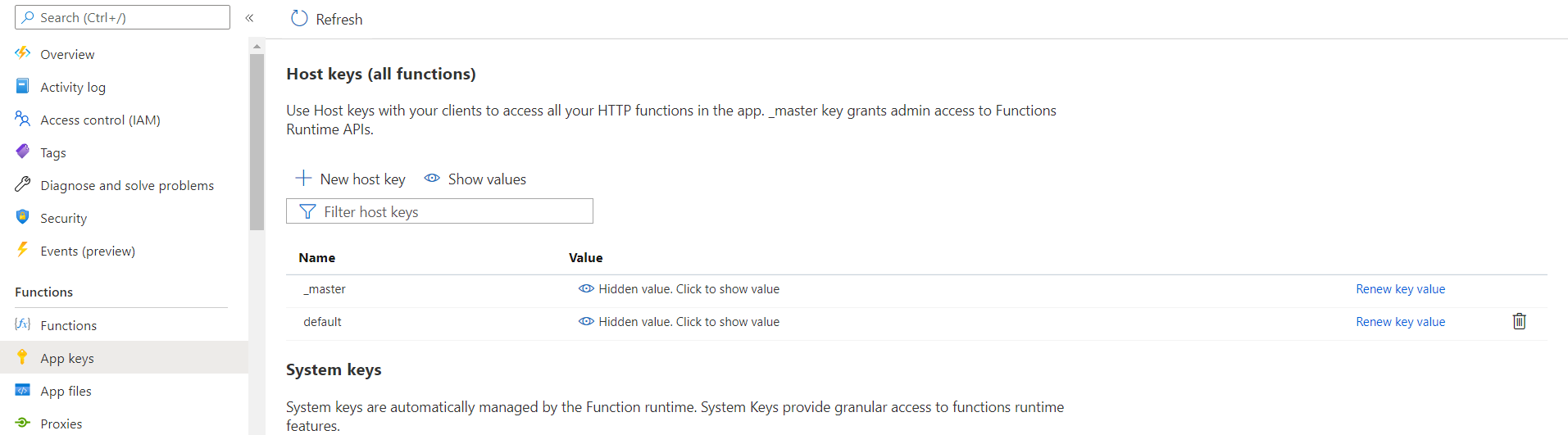
- The endpoints of the azure function app can be obtained from the Azure Function App. Below is the URL of sample function app:
- After the successful deployment, database, collections and the reference data(master data) are loaded into the mongo server database for storage microservice.
Resource Group:
Function App:
Storage Functions:
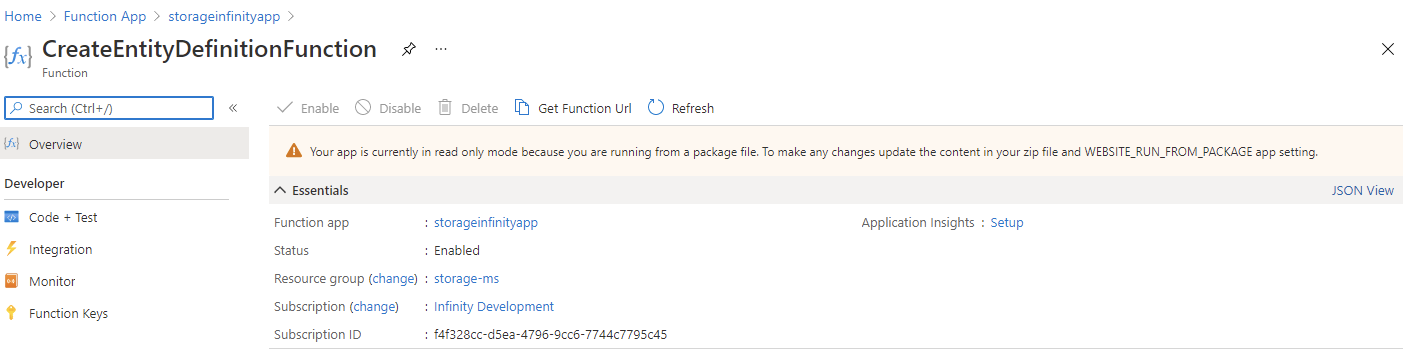
The "Get Function URL" will provide the complete URL with API key.
PostgreSQL
AWS CLI and Maven should be installed prior to the deployment.
To deploy the Originations Data Storage microservice:
- Obtain the generated zip file (from target folder) in the installation directory. Unzip it.
- In command prompt, navigate to the installation directory
- Default initmsdb.sql file(Master Data) will be inserted into the PostgreSQL
- The default Azure function app name in the script can be changed. In case of app name changes, the folder available (ms-storage-azure\target\azure-functions\<app folder>\) in the name of the app should also be renamed.
- To enable the in-house authentication in addition to the API key, perform the JWT Authentication in the installation scripts.
- Execute install.sh or install.bat.
- Once the deployment is completed, Azure functions are created.
-
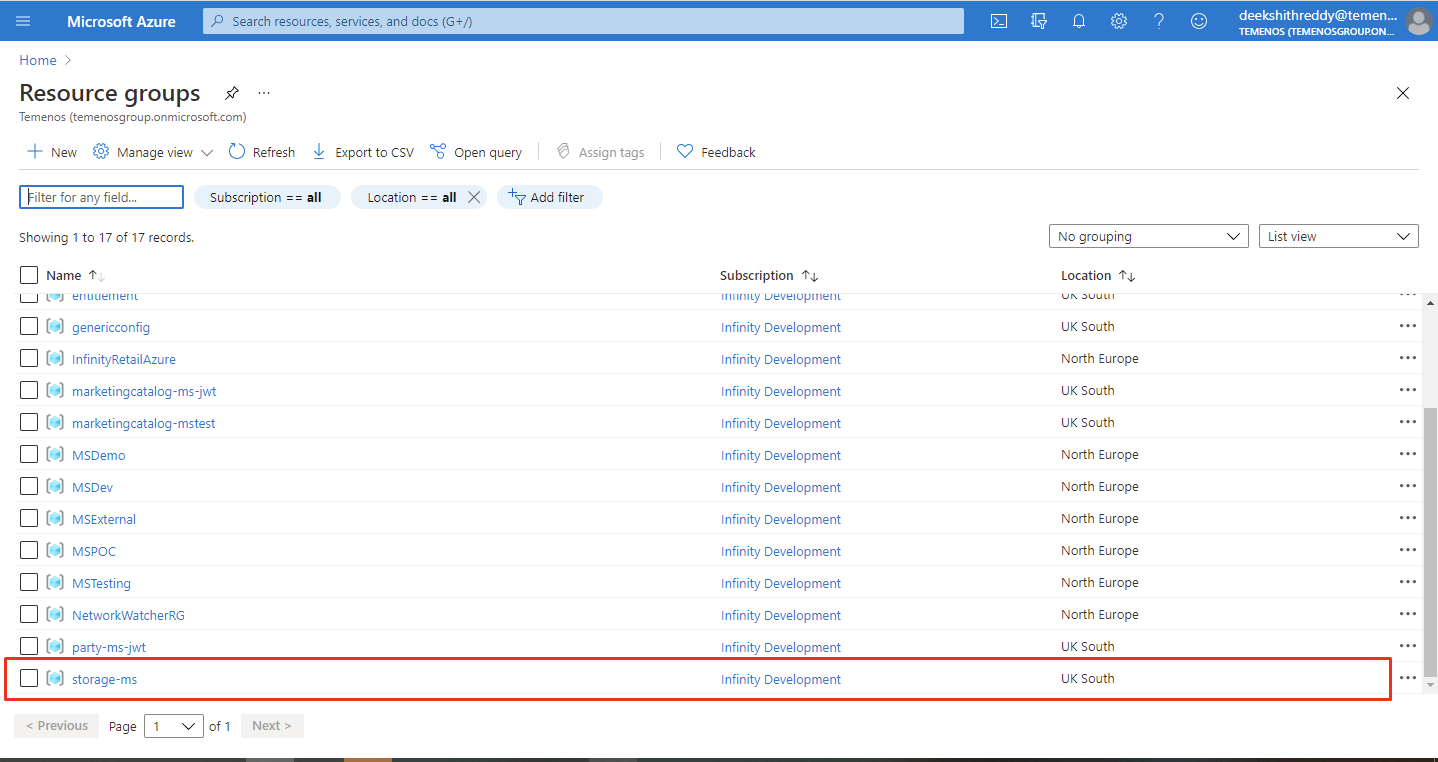
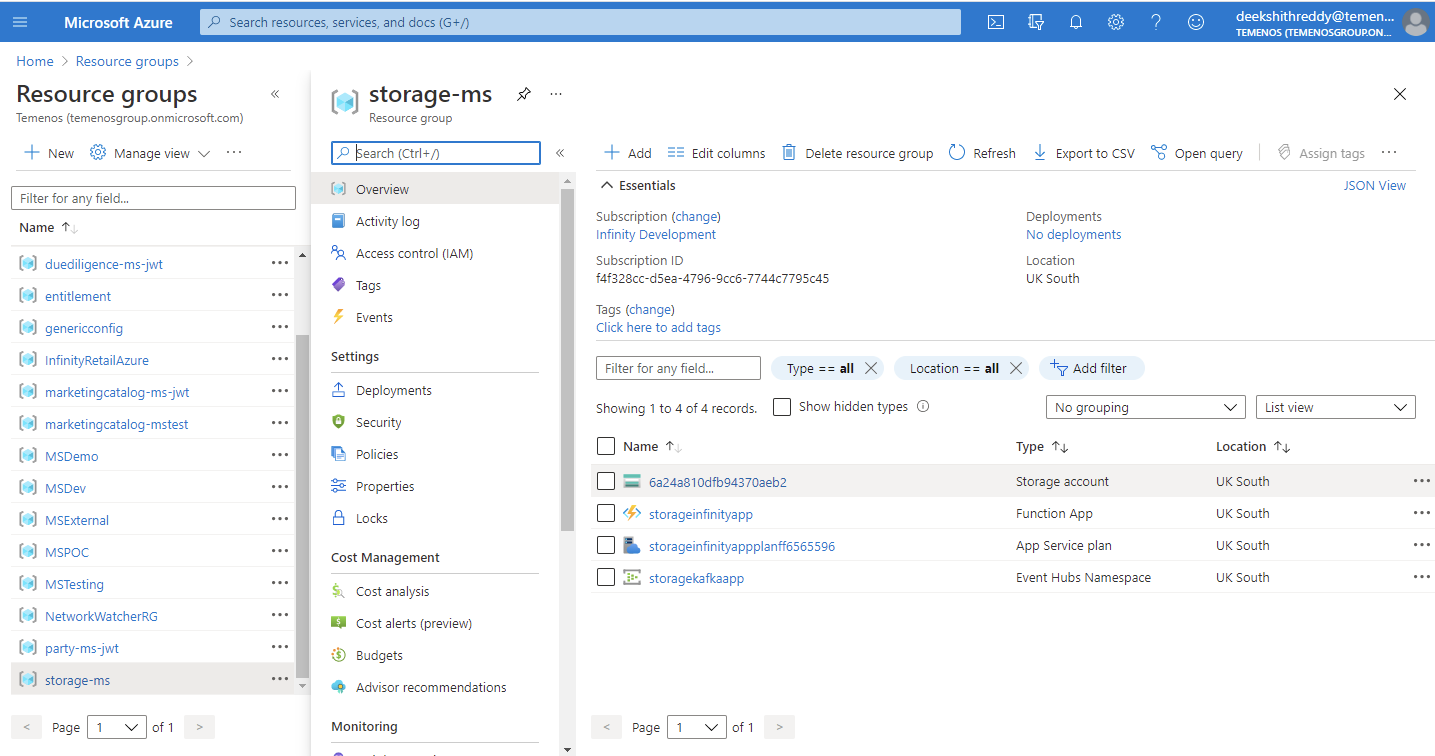
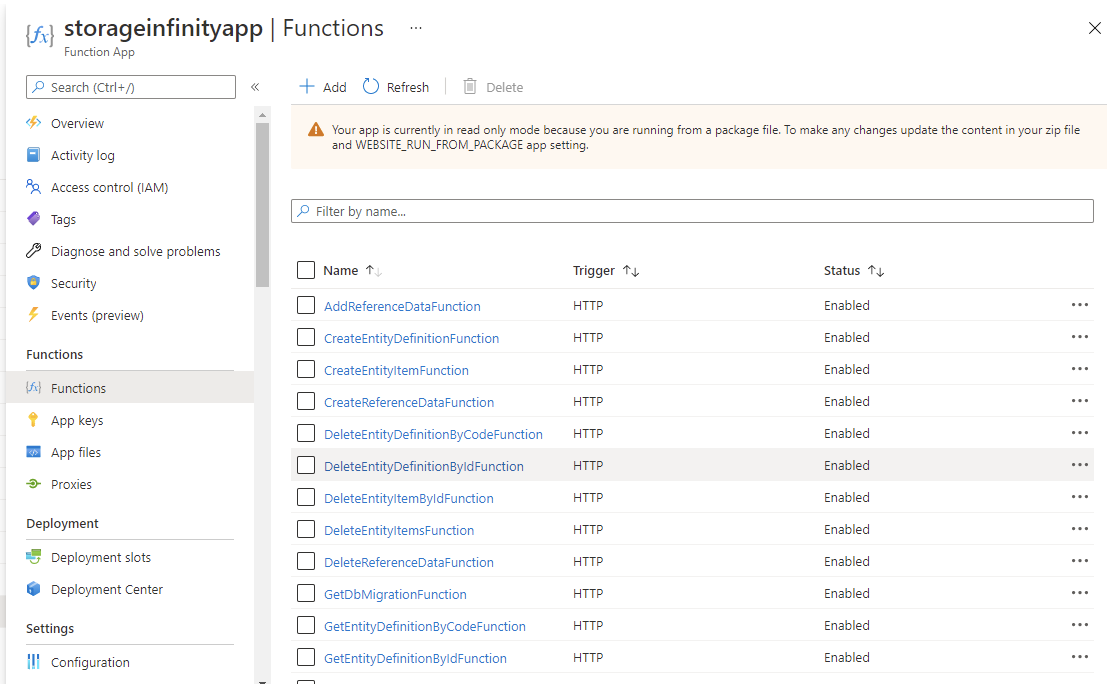
Login in to the Azure portal and check whether the Resource Group and Function app is created.
Resource Group:
Function App:
Storage Functions:
- API key for each endpoint in the function app can be obtained using the command:
func azure functionapp list-functions <function-app-name> --show-keysor it can be obtained alternatively, from the Azure function GUI: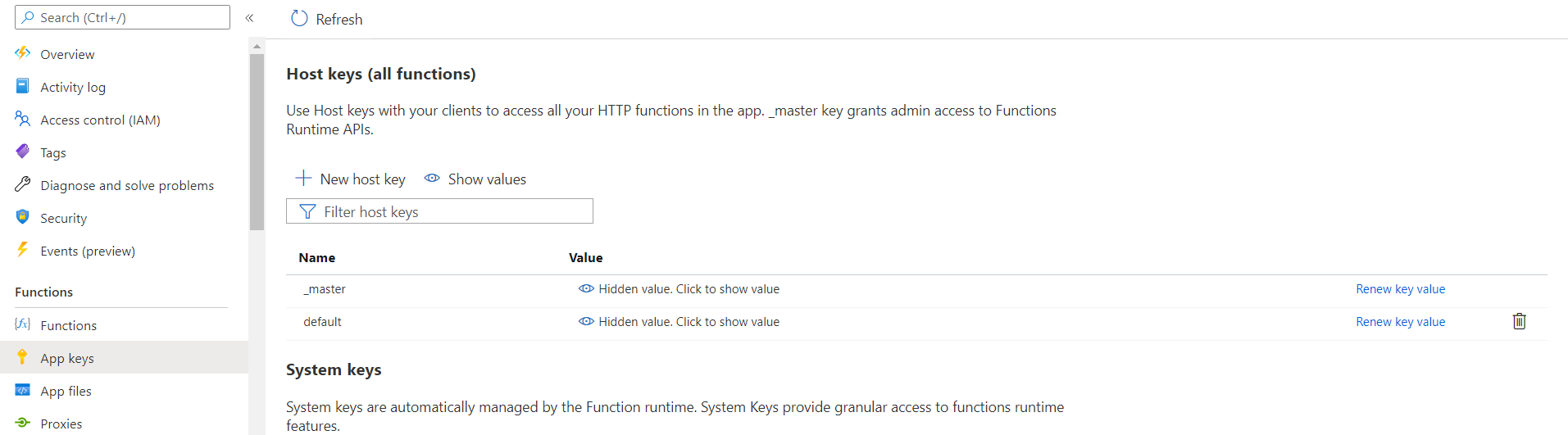
- The endpoints of the azure function app can be obtained from the Azure Function App. Below is the URL of sample function app:
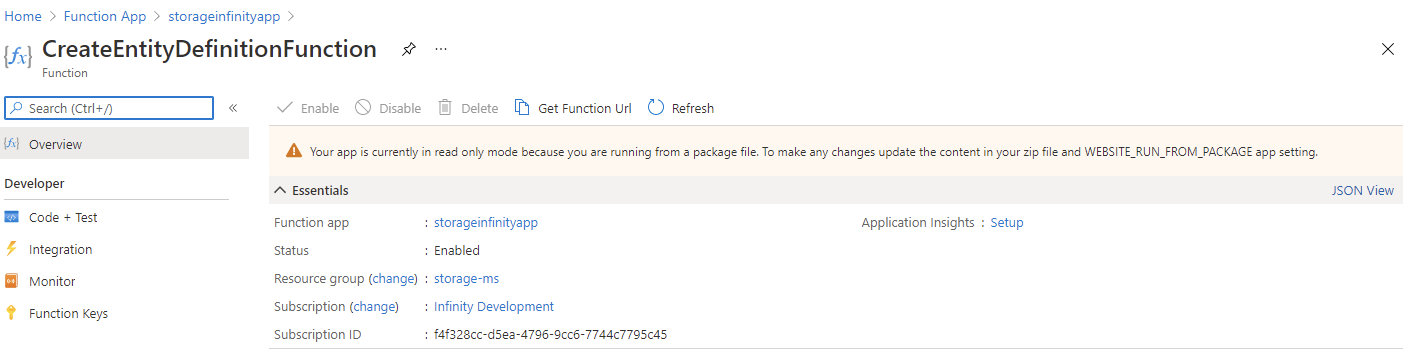
The "Get Function URL" will provide the complete URL with API key.
- After the successful deployment, the database, collections, and the reference data(master data) are loaded into the postgresql server database for the Storage microservice.
In this topic